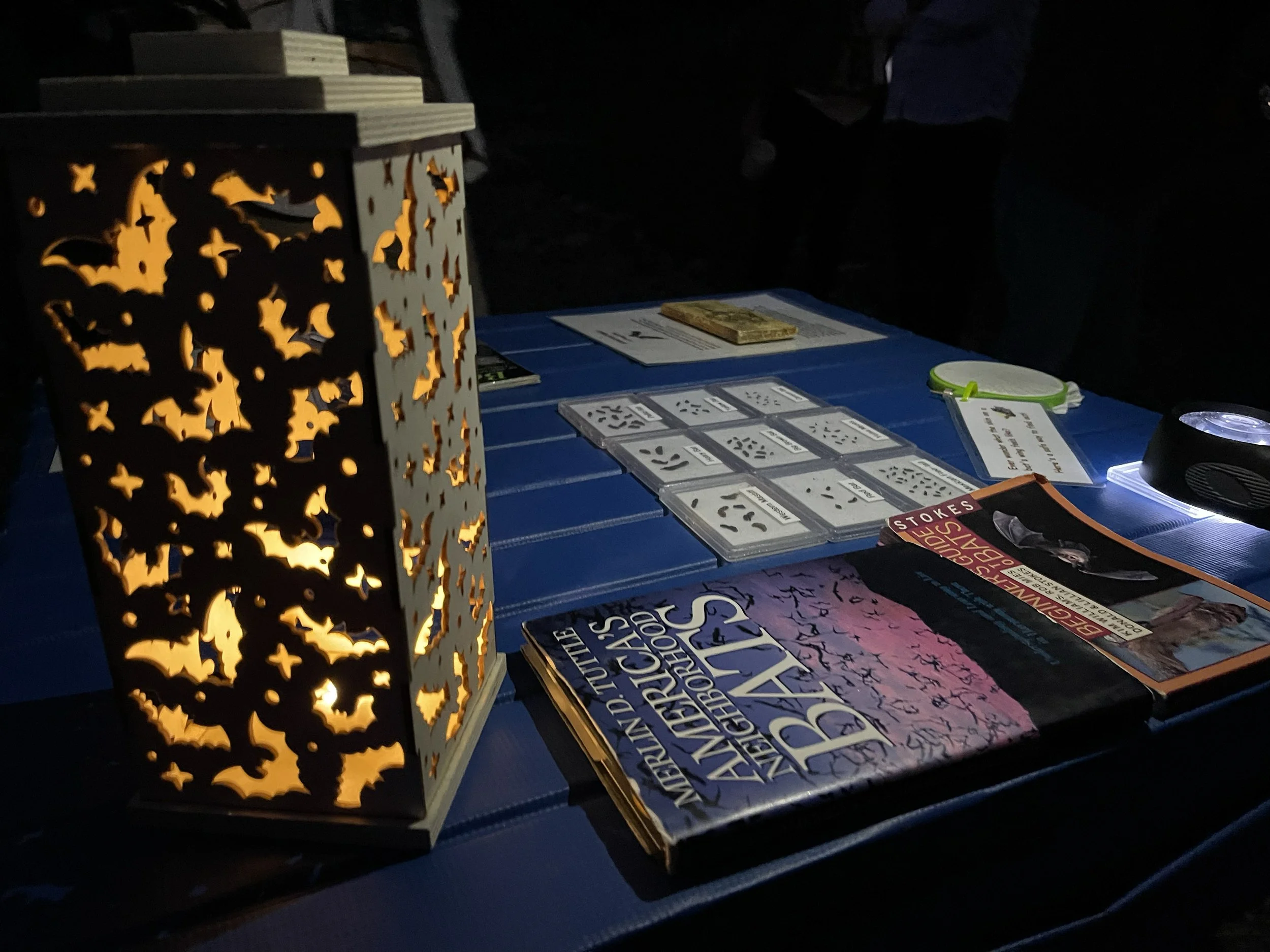
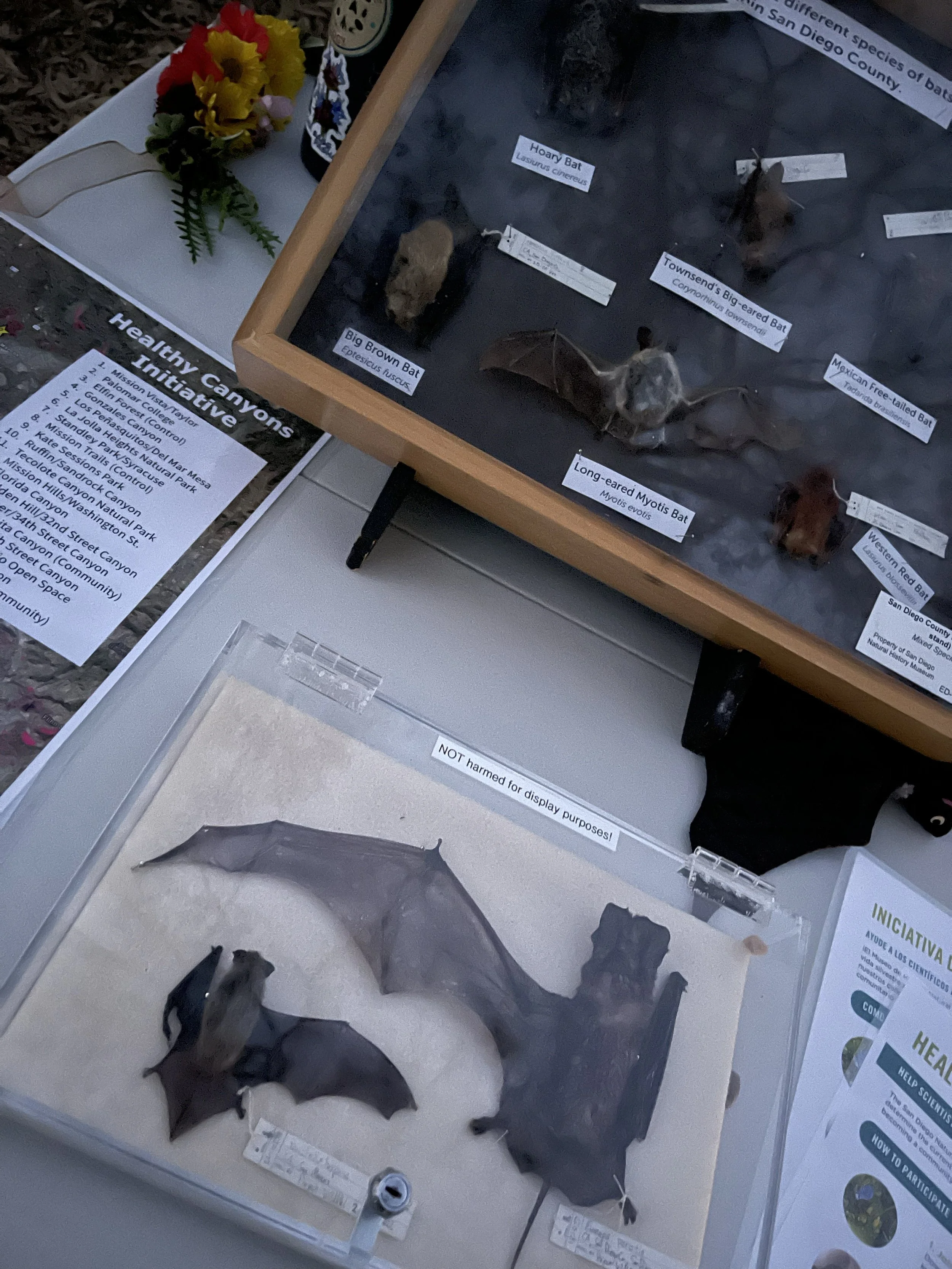
Encounters of the Bat Kind
Bat’apalooza in 32nd Street Canyon
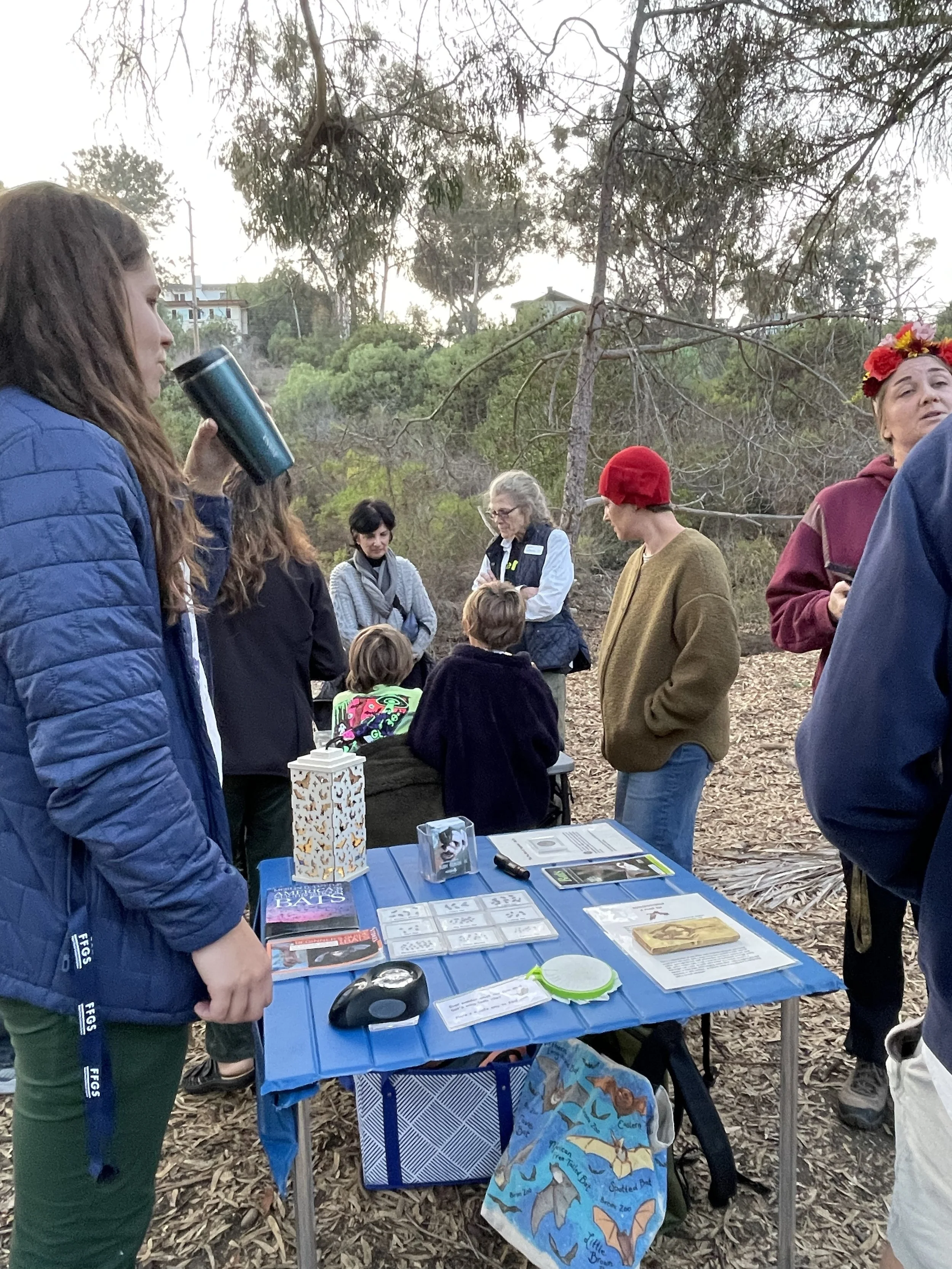
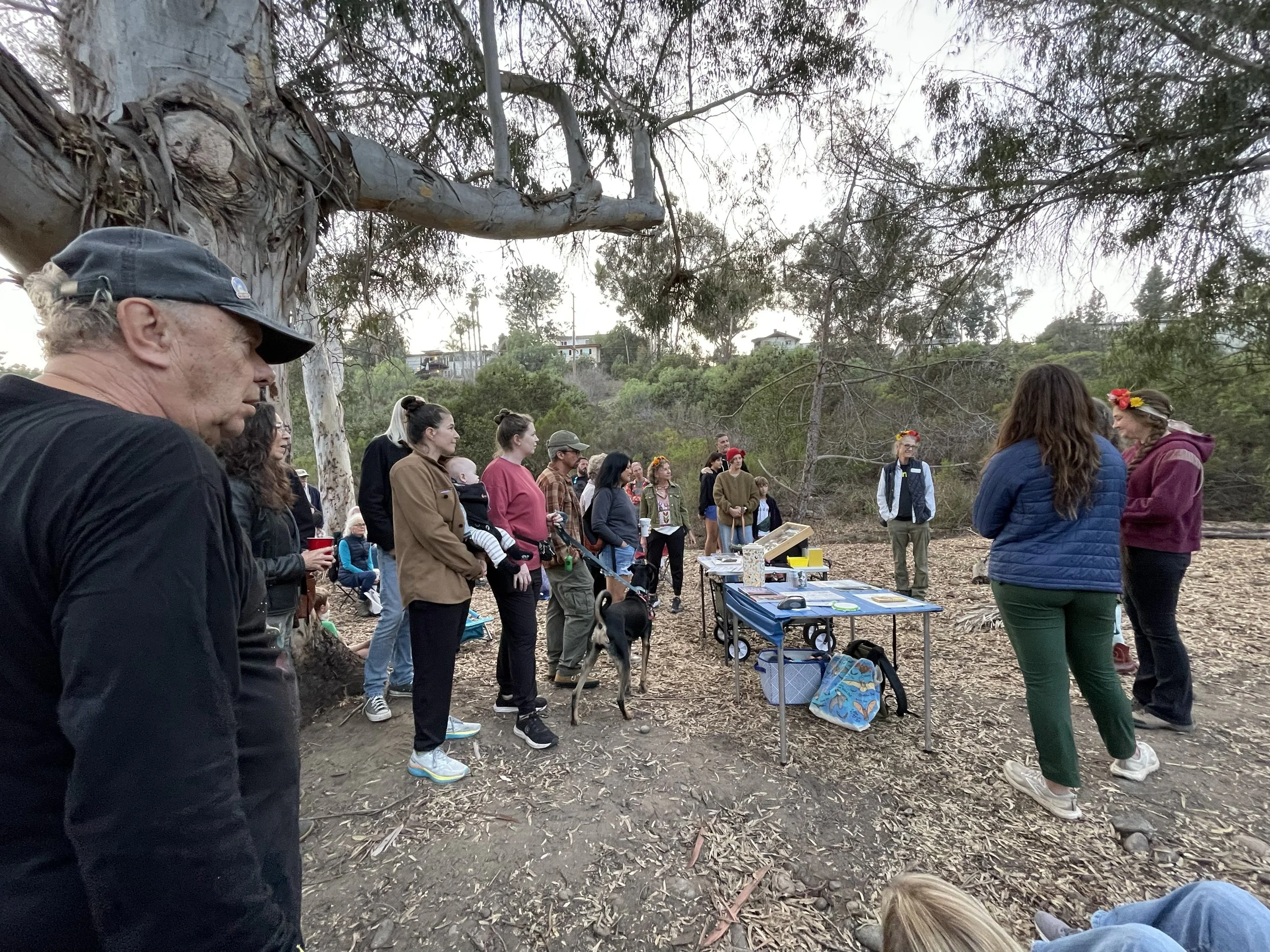
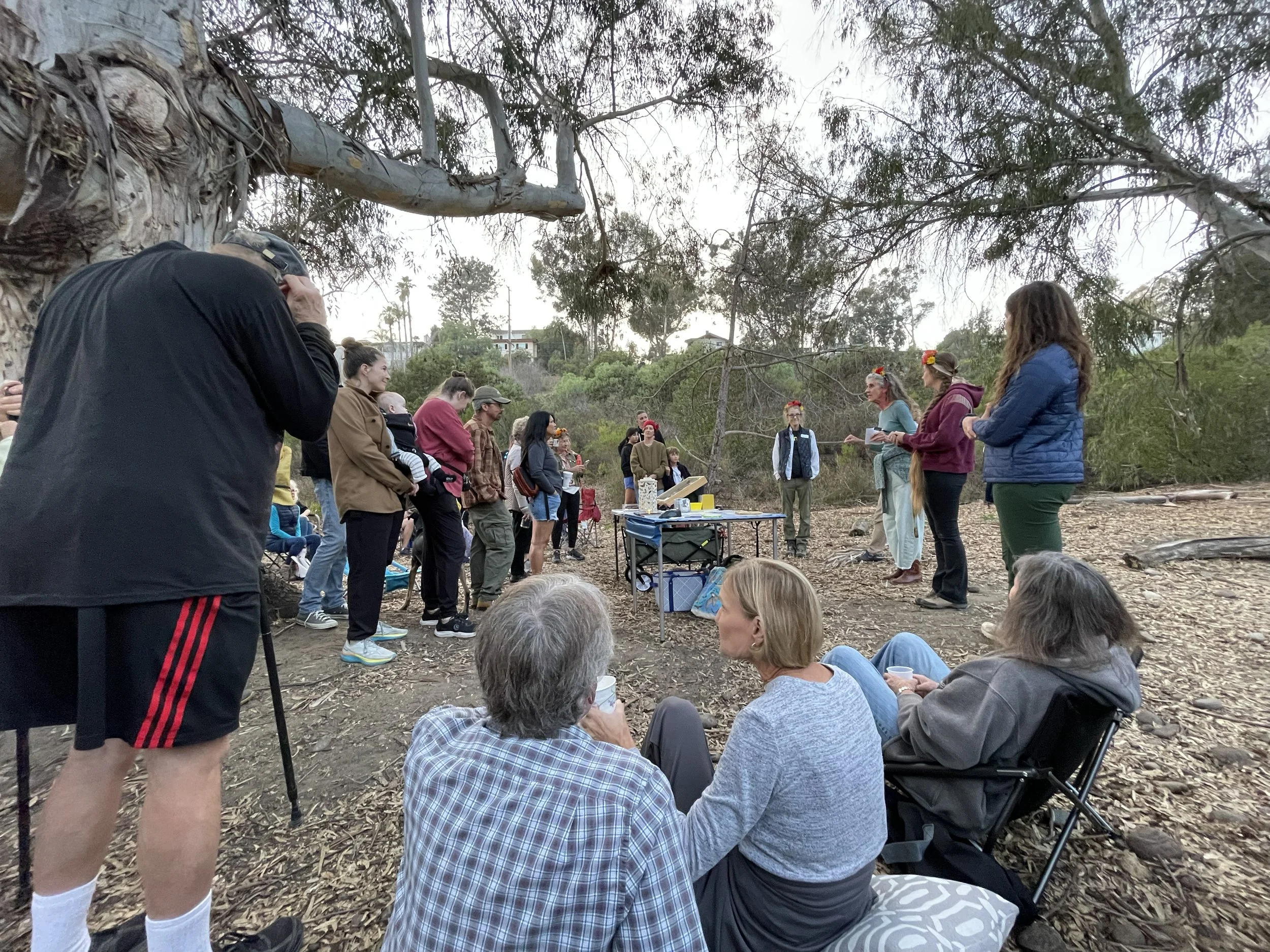
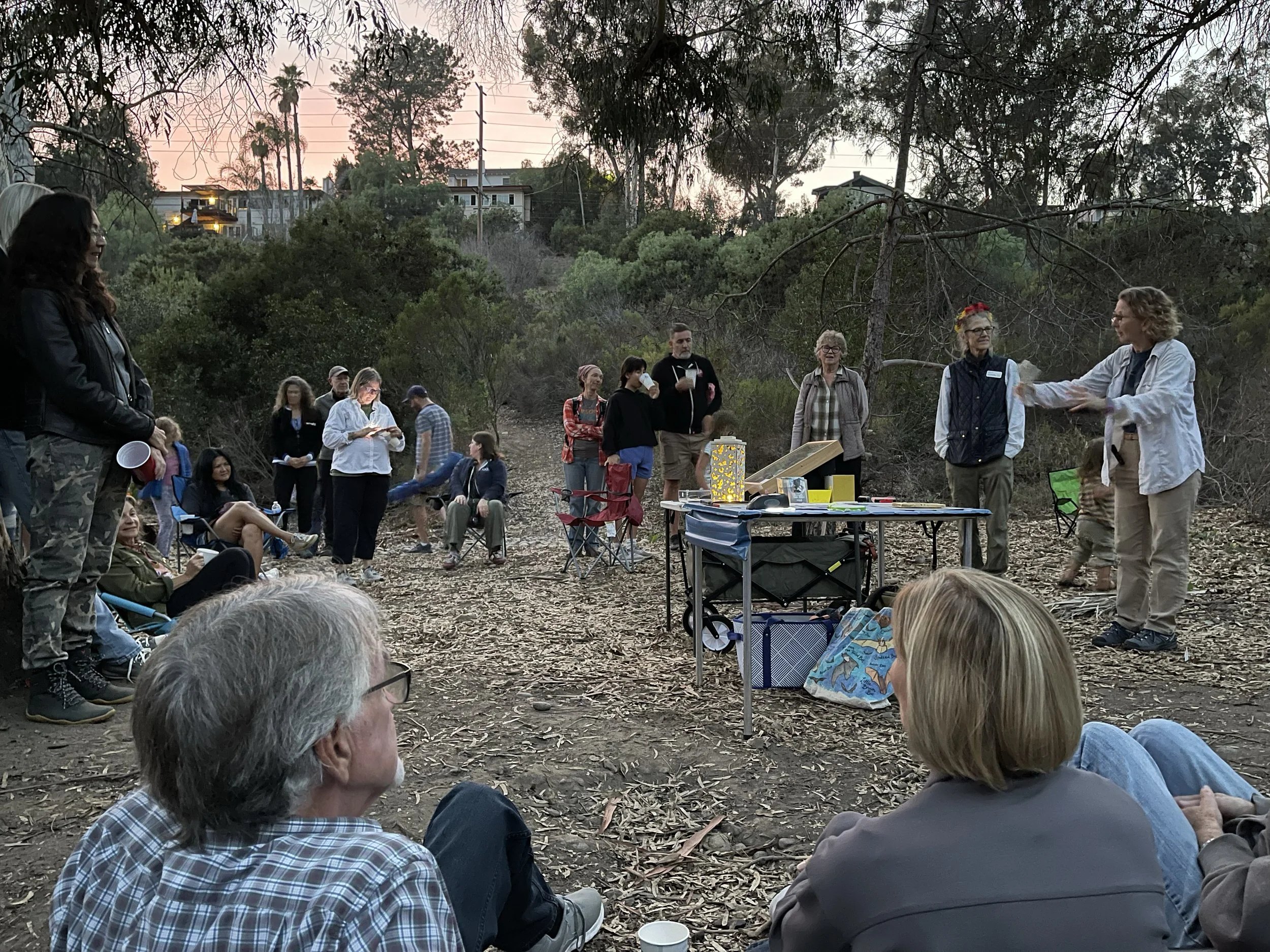
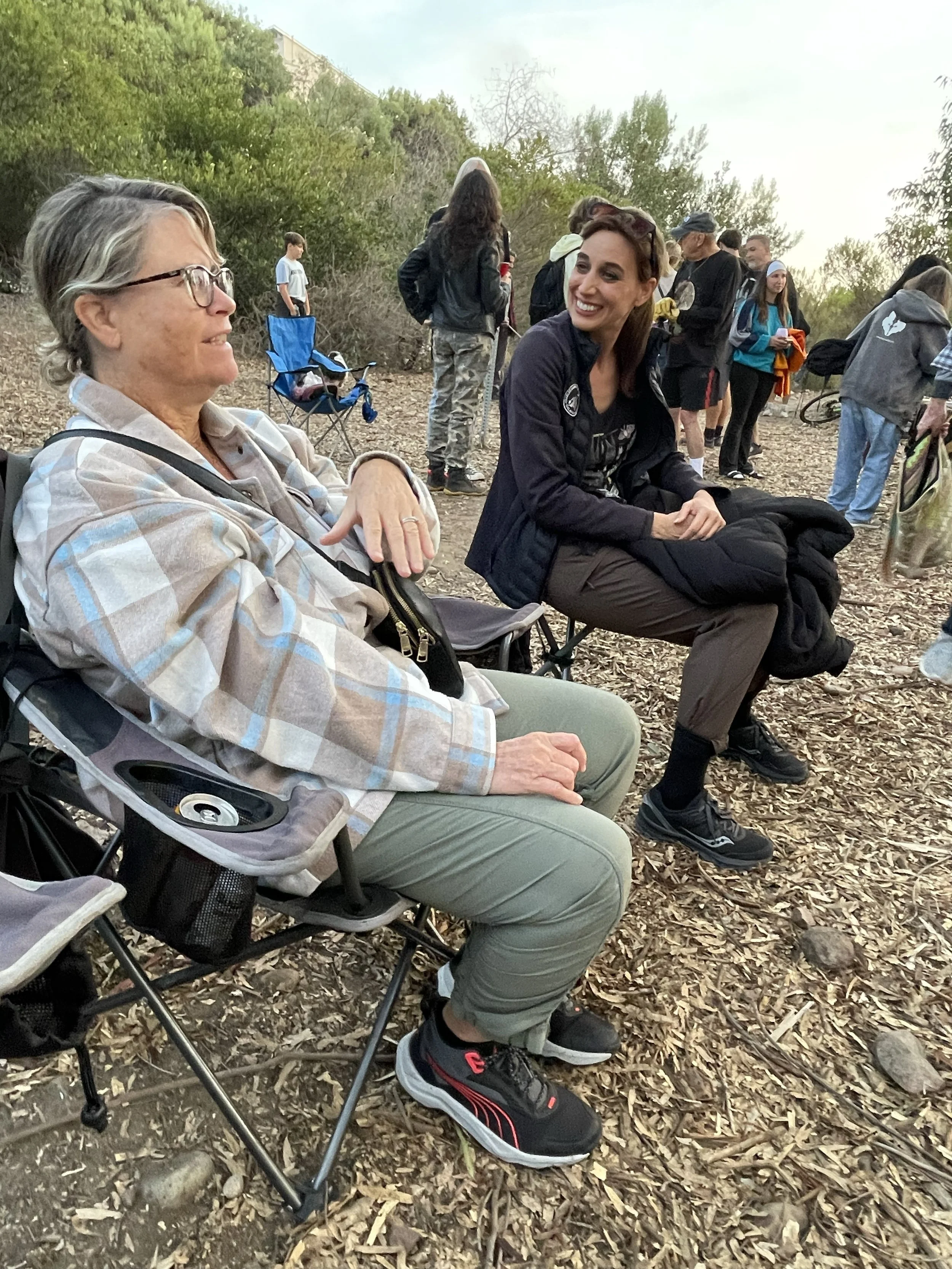
As dusk settled over the canyon on November 2, nearly 70 neighbors gathered for Bat’apalooza—a community celebration held in memory of San Diego’s acclaimed bat expert, Drew Stokes.
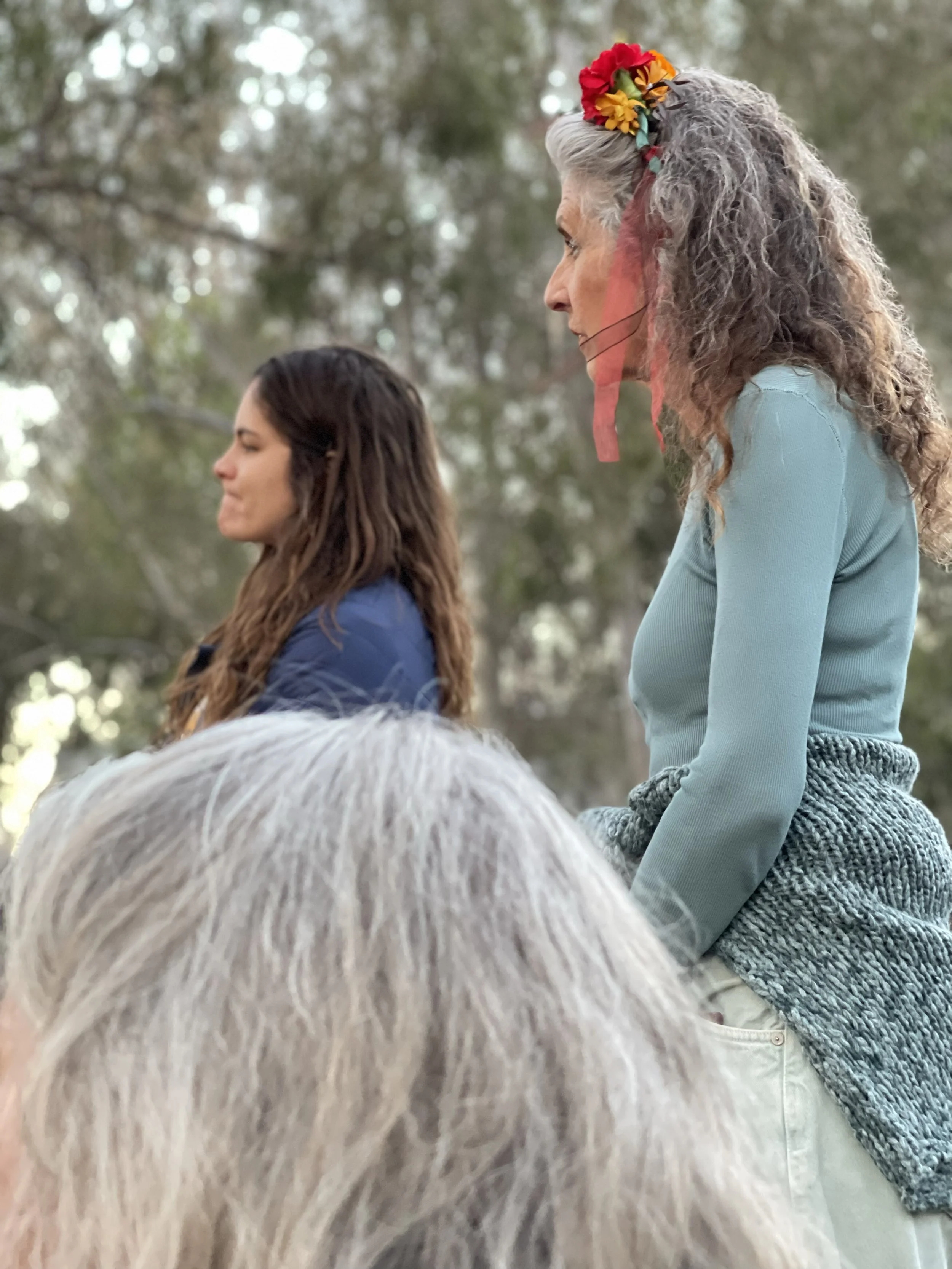
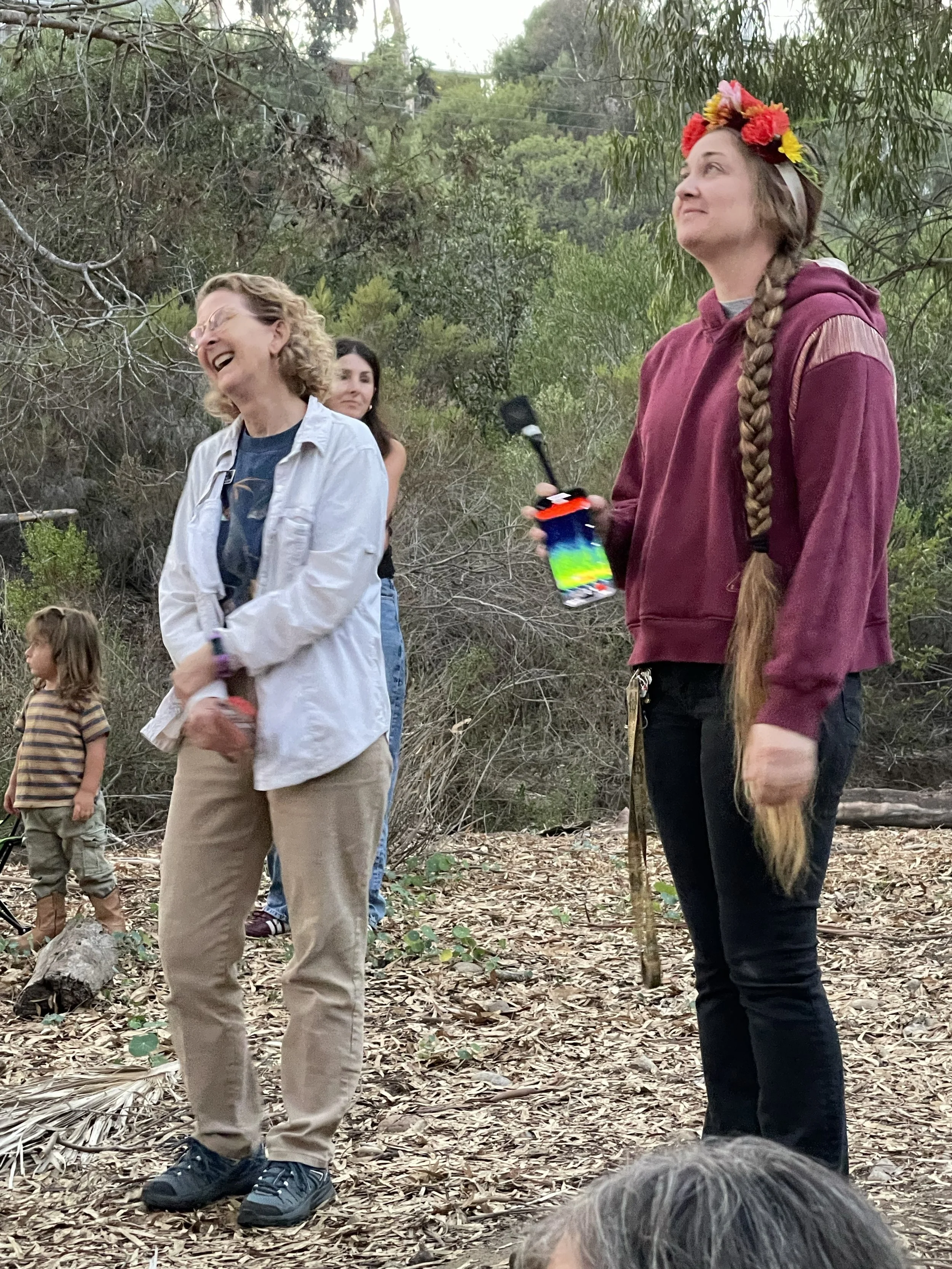
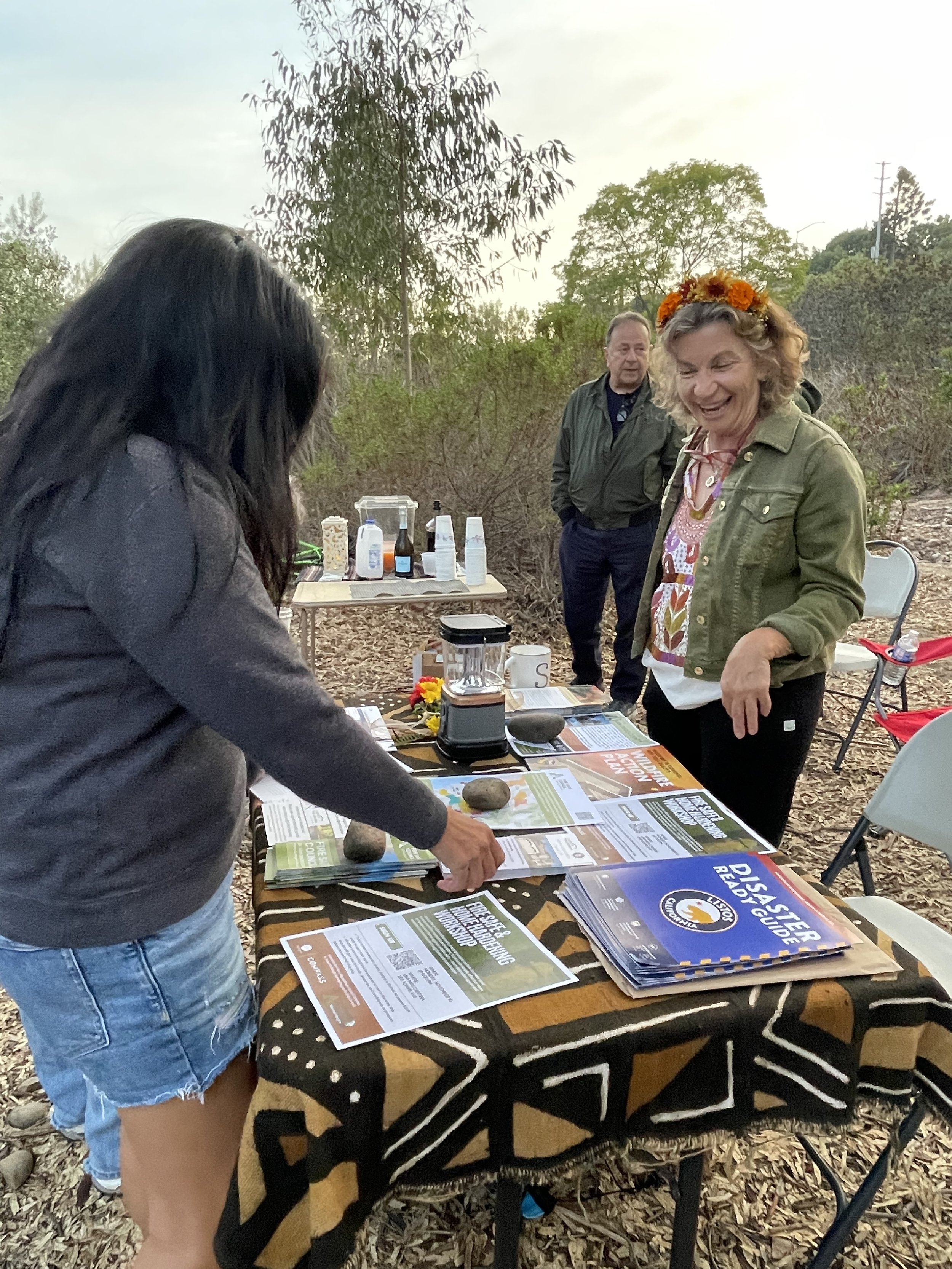
Three scientists, each wearing marigolds in honor of the season, welcomed participants at the Muster Point:
Andi Goehrs, Safari Park bat keeper
Cindy Myers, retired Project Wildlife bat rehabilitator
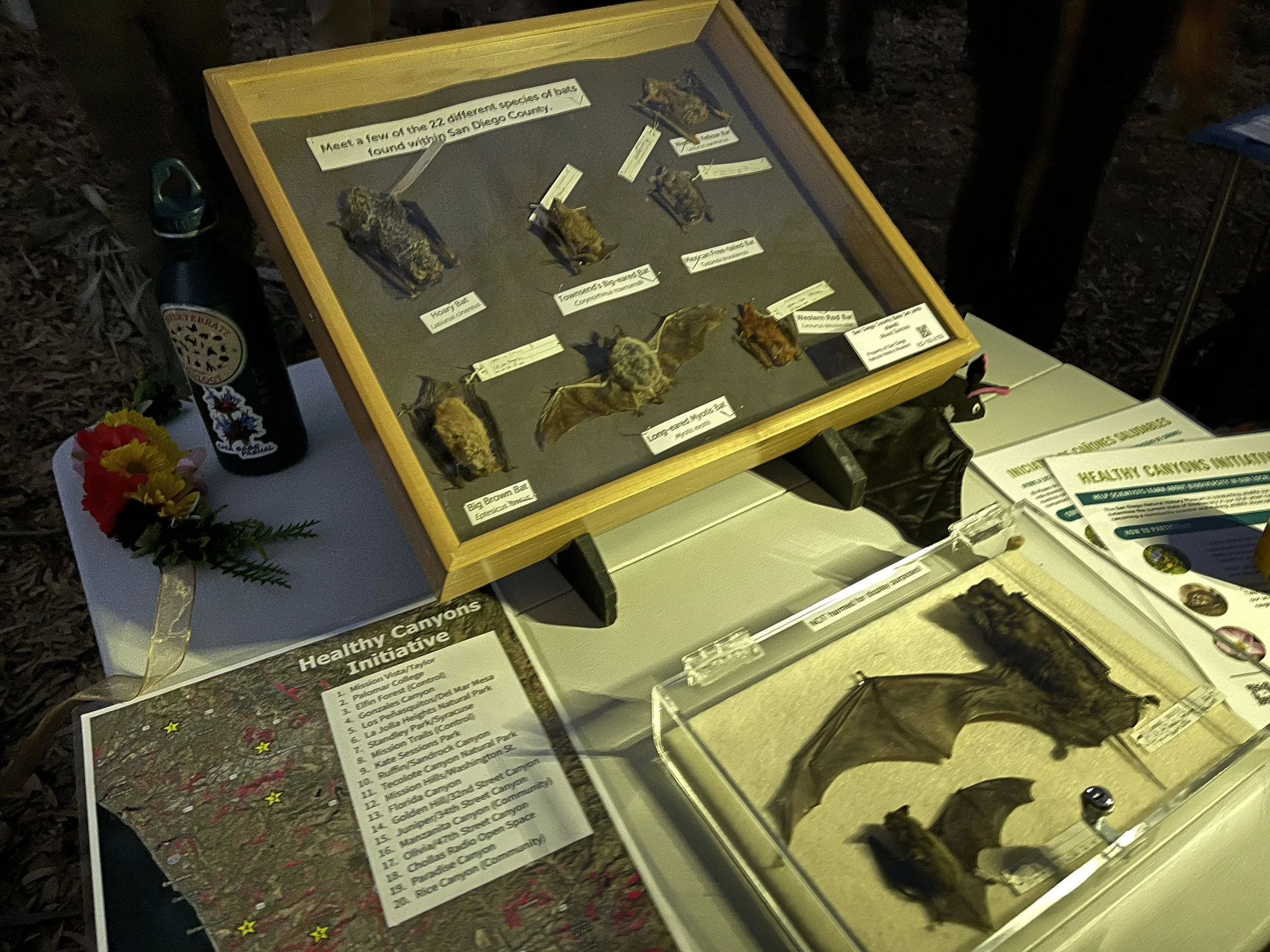
Anna Arft, Senior Biologist with the San Diego Natural History Museum’s Healthy Canyons Initiative
Their mission for the evening? Clear up myths about bats, share science-based insights, and build community advocacy for these essential—and often misunderstood—creatures.
🦇 32nd Street Canyon: A Bat Biodiversity Hotspot
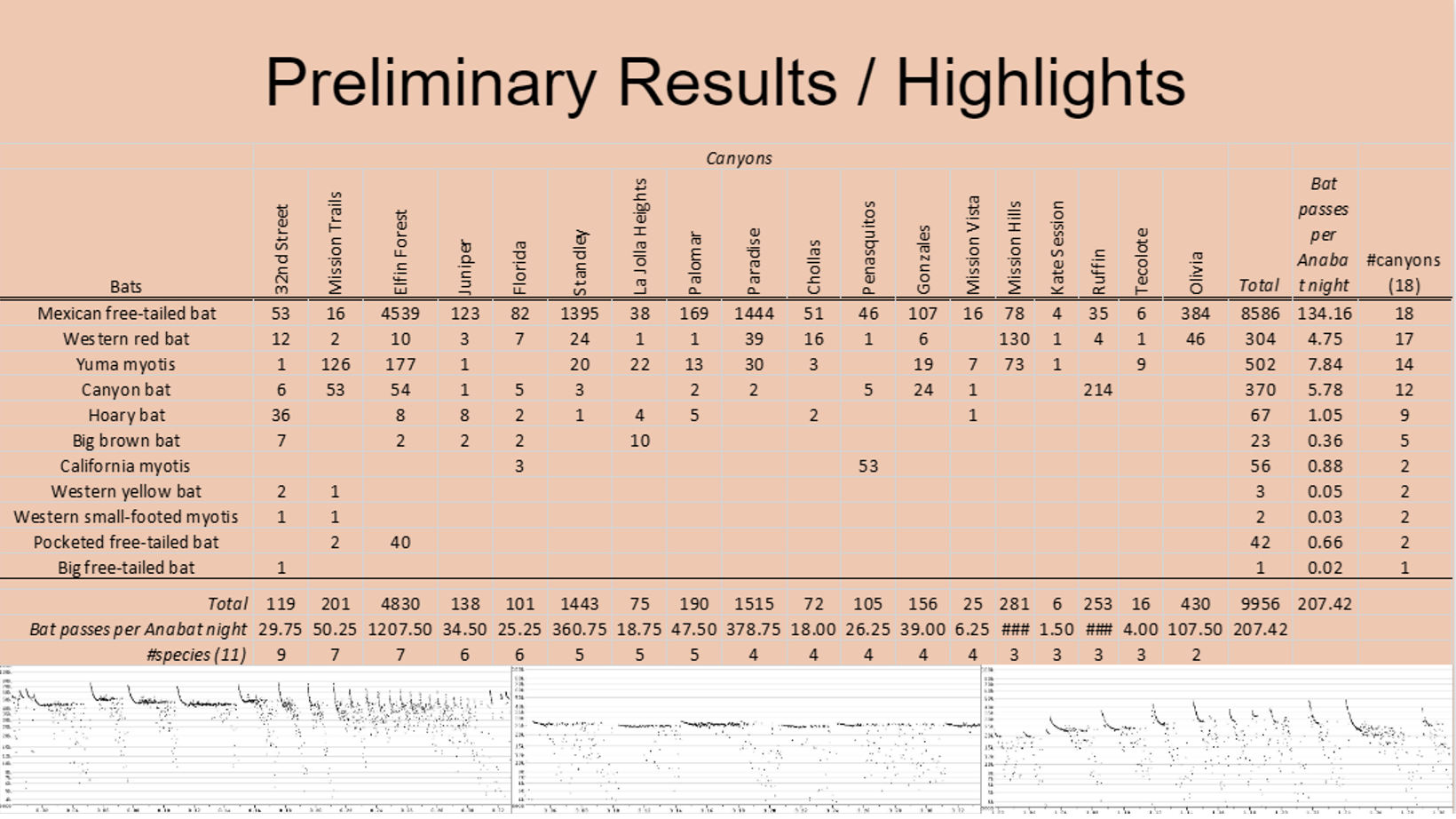
The scientists revealed a thrilling fact: 32nd Street Canyon hosts more bat species than any other canyon surveyed by the Healthy Canyons Initiative.
🦇 Bat Facts That Surprised Everyone
Bats are not blind.
There are 1,500 bat species, all belonging to the mammalian order Chiroptera (“chiro” = hand, “ptero” = wing).
A bat expert is called a chiropterologist.
Bats are the only mammals capable of sustained flight.
Many bats are critical pollinators, supporting ecosystems and agriculture worldwide.
Some species can live up to 41 years.
Their echolocation calls are inaudible to humans.
Bats have distinct personalities—curious, shy, bold, and everything in between.
Their wing membranes stretch from the fingers to toes, and in some species, even to the tail.
By eating insects, bats help control mosquitoes and other disease-carrying pests.
Most bats give birth to just one pup at a time, with gestation ranging from 40 days to 7 months.
🦇 A Visit From the World’s Fastest Mammal
As the darkness deepened, a juvenile horned owl perched overhead—an unexpected guest in the quiet canyon. Moments later, a participant’s handheld bat detector finally lit up, signaling a visitor streaking across the sky.
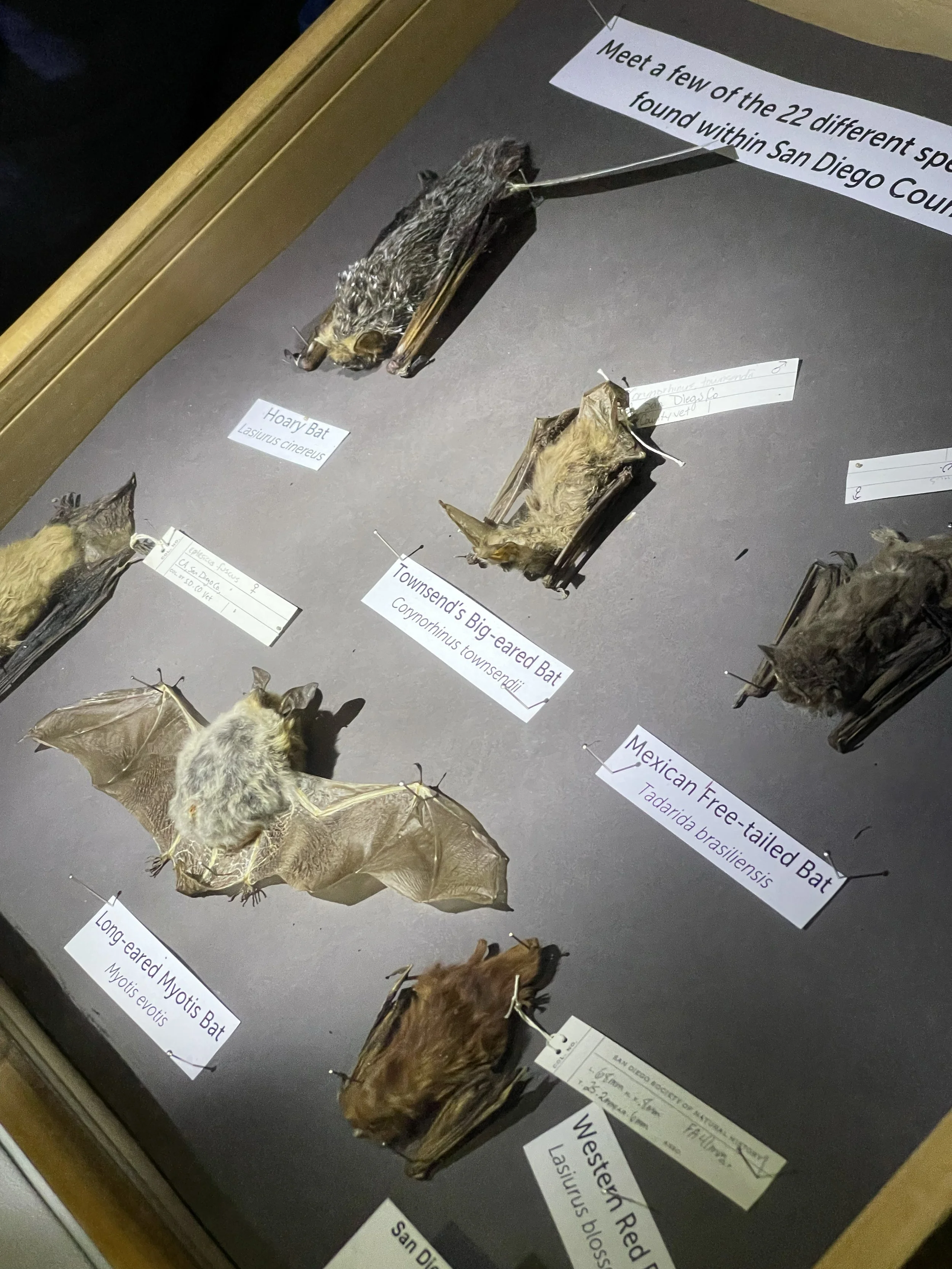
Not a “cloud” or “cauldron” of bats, but a single, spectacular Mexican Free-tailed Bat—the fastest mammal on Earth, capable of reaching 99 mph—made a dramatic last-minute flyby to close out the night.
🦇 Symbolism of the Bat
In Medicine Cards and other animal-divination traditions, the bat represents rebirth—a letting go of the old and embracing the new.
It’s a fitting symbol for both the memory of Drew Stokes and the growing community movement to protect 32nd Street Canyon.